
Managing schedule costs can be a complex task considering labor costs represent a significant expenditure for organizations across many industries. There are strategies for efficiently calculating and managing schedule costs, aided by Legion Workforce Management platform’s intelligent automation.
Scheduling to a Budget
Proactive planning is a business operations' keystone, with labor cost budgeting being a focal point. Traditionally, labor costs account for 20-35% of revenues in most industries. Aligning these costs with the budget is paramount.
The first step to scheduling within a budget is to understand the cost of a schedule accurately. Unplanned overtime can have a significant impact on labor budgets. In an extreme example, the New York City Police Department exceeded its overtime budget by $100 million. In addition to overtime, schedule costs can be dramatically impacted by holiday pay, shift differential, or even the different rates between employees in the workforce. Many scheduling tools provide an estimate of cost but don’t get into the details. Through the power of intelligent automation, Legion Automated Scheduling provides managers with immediate feedback on the true cost of their schedule, including any pay calculations for legislation, policies, or even collective bargaining agreements.
If all known costs are tracked during the planning stage of scheduling, it’s possible to minimize any unforeseen expenses due to overtime, holidays, and other “gotchas” that can blow your budget.
The Impact of Last-Minute Changes
Changes to a schedule at the eleventh hour can lead to increased labor costs. Schedule predictability and fair scheduling legislation across the United States has a direct impact on the cost of your schedule. It might seem challenging to prevent last-minute changes. However, Legion Automated Scheduling uses AI algorithms to predict demand for labor, so you can automatically create schedules ahead of time that have the best chance of matching your business needs with employees’ skills and preferences without requiring last minute changes.
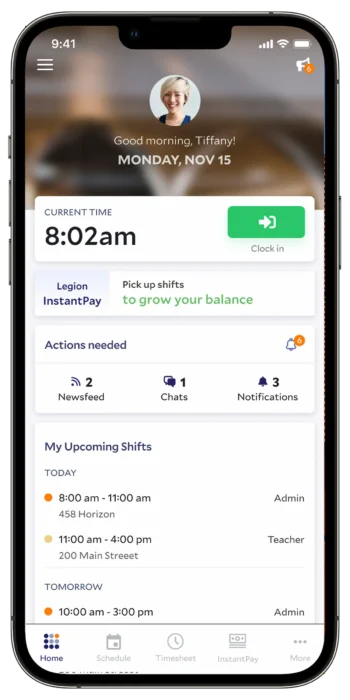
Automated processes that offer last-minute shifts to employees can result in employee-initiated changes that minimize penalties and payments. Thus, flexibility can lead to significant savings on penalty payments while accommodating the needs of employees who want to work additional hours.
The next step after scheduling is ensuring that when employees work their scheduled shifts, those hours are captured accurately, and the same processes used to calculate the cost of the schedule are applied to the clock-in/out times for the employees. This ensures accurate pay and provides great feedback to the manager on performance of the schedule versus actual costs.
Optimizing labor costs involves upfront schedule cost planning and understanding expected costs to maximize the ability to absorb any unexpected changes. Harnessing a robust AI-powered workforce management system like Legion is an effective way to embrace these practices. By integrating these best practices into their operations, business leaders can foster an environment of financial stability and operational efficiency.
Learn more about Legion Automated Scheduling and request a demo to see it in action.
Related Articles



Want to Hear More From Legion?
Sign up to receive the latest industry research, expert-led webinars, and practical WFM resources.
Ready for a Demo?
See how Legion's WFM Software enables intelligent automation to help you maximize labor efficiency and employee engagement simultaneously.